2026 Ethical Fashion Reviews: Top 3 US Certifications

Anúncios
The 2026 Guide to Ethical Fashion Reviews highlights three key certifications U.S. consumers should prioritize: Fair Trade Certified, Global Organic Textile Standard (GOTS), and OEKO-TEX Standard 100. These labels are widely recognized for verifying ethical labor practices, sustainable sourcing, and product safety.
What changed in 2026 is the growing demand for traceability and transparency, with brands increasingly required to prove their claims. Certifications like GOTS now emphasize full supply chain accountability, while OEKO-TEX focuses on chemical safety and consumer health.
Anúncios
Looking ahead, consumers should monitor stricter regulations, third-party verification standards, and the rise of digital tracking tools. As greenwashing becomes more scrutinized, relying on trusted certifications will be essential for making informed and responsible fashion choices.
The Rise of Ethical Fashion Consciousness in the U.S.
The U.S. consumer market is witnessing a significant shift towards ethical fashion, driven by increased awareness of environmental degradation and social injustices within the supply chain. This growing consciousness demands greater transparency from clothing brands, moving beyond traditional marketing narratives to verifiable claims.
Consumers are actively seeking out information on how their clothes are made, from the sourcing of raw materials to labor practices in factories. This heightened scrutiny has made the role of reliable certifications more critical than ever. It underscores the urgency for resources like the Ethical Fashion Reviews.
Anúncios
Brands that fail to adapt to these evolving consumer expectations risk losing market share and trust. The ethical fashion movement is not a fleeting trend but a fundamental reshaping of industry values. It impacts purchasing behavior across various demographics.
Why Certifications Matter for Consumers
Certifications serve as independent verification that a product or company meets specific ethical, social, or environmental standards. They cut through marketing jargon, providing a clear signal of a brand’s commitment to responsible practices. Without them, it becomes incredibly difficult for the average shopper to discern genuine sustainability.
These third-party endorsements offer peace of mind, assuring consumers that their purchases contribute positively rather than negatively. They represent a simplified way to navigate the often-opaque fashion supply chain. This makes certifications an indispensable tool for consumers consulting the Ethical Fashion Reviews.
Furthermore, certifications drive accountability within the industry, pushing brands to continuously improve their practices to maintain their certified status. This continuous improvement benefits workers, the environment, and ultimately, the consumer. It fosters a more responsible and transparent global fashion ecosystem.
Global Organic Textile Standard (GOTS): A Benchmark for Organic Fibers
The Global Organic Textile Standard (GOTS) is recognized as the world’s leading processing standard for textiles made from organic fibers. It defines high-level environmental and social criteria along the entire organic textiles supply chain. This certification covers the processing, manufacturing, packaging, labeling, trading, and distribution of all textiles.
For U.S. consumers, GOTS certification signifies that a textile product contains a minimum of 70% certified organic natural fibers. It also ensures strict environmental criteria are met throughout the entire manufacturing process, from fiber harvesting to the finished product. This includes restrictions on the use of toxic chemicals and dyes.
Beyond environmental parameters, GOTS also incorporates stringent social criteria, ensuring fair labor practices and safe working conditions. This holistic approach makes GOTS an invaluable certification for anyone referencing the Ethical Fashion Reviews, seeking comprehensive ethical assurance in their textile purchases.
Environmental Requirements Under GOTS
GOTS mandates the use of organic fibers, prohibiting genetically modified organisms (GMOs) and hazardous pesticides. It also sets strict criteria for water treatment and energy consumption in processing. This significantly reduces the environmental footprint of textile production.
The standard also restricts the use of harmful chemicals, heavy metals, and toxic dyes. This protects both workers and consumers from exposure to dangerous substances. It ensures that the final product is safer for skin contact and the environment.
Furthermore, GOTS requires that all chemical inputs, such as dyes and auxiliary chemicals, meet specific environmental and toxicological criteria. This comprehensive approach to chemical management is crucial.
Social Criteria and Worker Protection
GOTS certification is not solely focused on environmental aspects; it also integrates robust social criteria based on the International Labour Organization (ILO) core conventions. These include provisions regarding fair wages, safe working conditions, and the prohibition of child labor and forced labor.
Audits ensure that workers are paid living wages, work reasonable hours, and have the right to collective bargaining. This commitment to human rights throughout the supply chain is a cornerstone of the GOTS standard. It offers significant assurance to ethically minded consumers.
By addressing both ecological and social impacts, GOTS provides a comprehensive framework for ethical textile production.
Fair Trade Certified: Ensuring Equitable Treatment for Workers
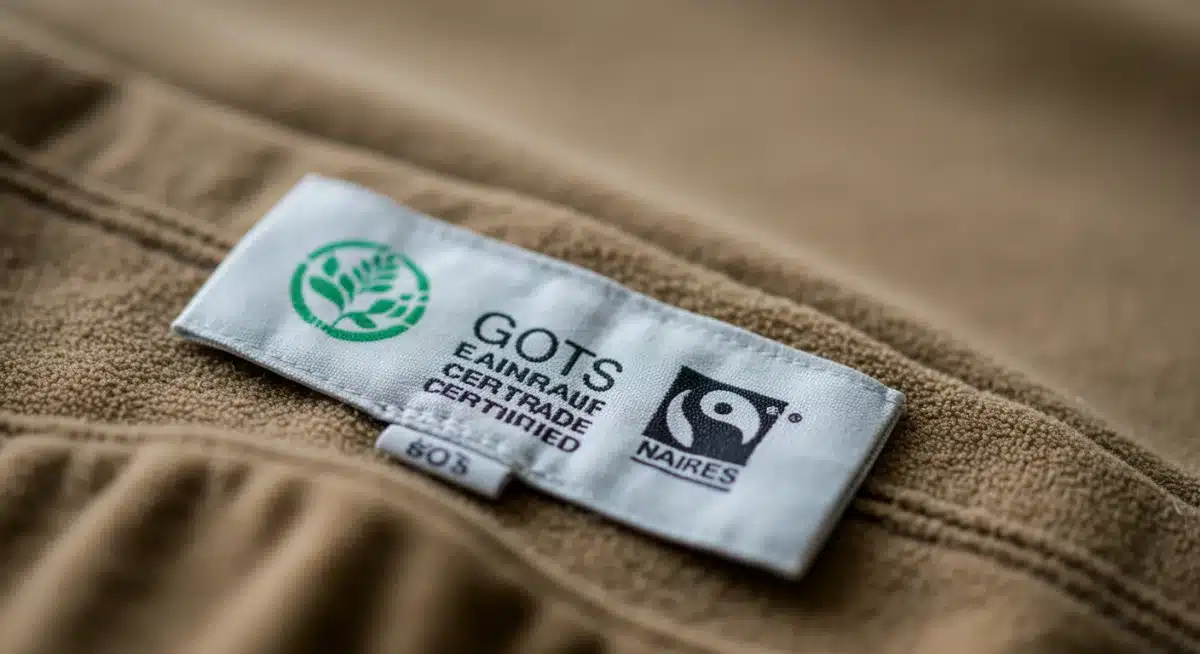
Fair Trade Certified is a well-recognized standard that focuses primarily on economic justice and social welfare for workers in global supply chains. For fashion, this means ensuring that farmers and factory workers receive fair wages and work in safe conditions. It also guarantees environmental protection and community development funds.
When a U.S. consumer sees the Fair Trade Certified label on a clothing item, it signifies that the producers received a fair price for their goods. It also means they benefit from a community development premium. This premium is invested in projects like schools, healthcare, or clean water initiatives, as decided by the workers themselves.
This certification is particularly vital for products derived from agricultural raw materials, such as cotton, where exploitation in traditional supply chains can be rampant. Fair Trade Certified offers a powerful tool for consumers to support equitable trade practices.
Empowering Farmers and Workers
Fair Trade certification guarantees a minimum price for producers, acting as a safety net when market prices drop. This stability allows farmers to plan for the future, invest in their farms, and provide for their families. It directly combats the volatility often experienced in global commodity markets.
Beyond fair pricing, the standard emphasizes democratic organization and empowerment. Workers in certified facilities often form committees to manage the Fair Trade Premium. This gives them a direct say in how funds are used to improve their communities and working lives.
This empowerment model contrasts sharply with conventional supply chains where workers often have little voice or bargaining power. The focus on worker rights and community development makes Fair Trade Certified a standout.
Community Development and Environmental Stewardship
The community development premium generated by Fair Trade sales is a transformative aspect of this certification. These funds are used for projects chosen by the community, ranging from educational programs to health clinics. This fosters sustainable development beyond individual transactions.
Fair Trade also incorporates environmental standards, encouraging sustainable farming practices and responsible resource management. While not as extensive as GOTS on environmental criteria, it prohibits the use of the most harmful pesticides and GMOs. It supports biodiversity and ecosystem health.
By promoting both social equity and environmental responsibility, Fair Trade Certified offers a comprehensive approach to ethical production. Its impact on livelihoods and community well-being is profound.
Bluesign APPROVED: Focusing on Chemical Safety and Resource Productivity
Bluesign APPROVED is a strict standard that focuses on minimizing the environmental impact of textile production through responsible chemical management and resource efficiency. It aims to eliminate harmful substances from the very beginning of the manufacturing process. This creates a safer environment for workers and consumers.
Unlike certifications that focus on the final product, Bluesign takes a holistic approach to the entire textile supply chain. It evaluates factories and processes to ensure they meet stringent criteria for chemical use, water, energy, and waste. This proactive approach prevents pollution rather than just managing it.
For U.S. consumers, seeing the Bluesign APPROVED label means that the textile was produced with minimal impact on people and the planet. It assures them that no harmful chemicals were used in its manufacture.
The Input Stream Management Approach
The core of the Bluesign standard is its ‘input stream management’ approach. This means that instead of testing finished products for harmful substances, Bluesign ensures that only approved chemicals and raw materials enter the manufacturing process. This proactive control prevents pollution from the outset.
Suppliers, manufacturers, and brands all work together under the Bluesign system to ensure compliance at every stage. This collaboration fosters a transparent and responsible supply chain. It provides a level of chemical safety and environmental performance that is unmatched by many other certifications.
By eliminating hazardous substances before they can even be introduced, Bluesign significantly reduces risks to workers, local communities, and the environment. This rigorous focus on chemical management is a key differentiator.
Resource Efficiency and Environmental Performance
In addition to chemical safety, Bluesign APPROVED also emphasizes resource efficiency. It sets strict limits for water and energy consumption, as well as emissions to air and water. This drives manufacturers to adopt more sustainable production methods, reducing their overall environmental footprint.
The standard encourages the use of renewable energy and promotes innovative technologies to minimize waste. Factories are regularly audited to ensure continuous improvement in their environmental performance. This commitment to efficiency benefits both the planet and the economic viability of sustainable manufacturing.
By addressing these critical environmental aspects, Bluesign contributes significantly to a cleaner, more sustainable textile industry. Its comprehensive approach to production processes makes it a powerful tool for ethical consumption.
Navigating Other Emerging Ethical Fashion Certifications
While GOTS, Fair Trade Certified, and Bluesign APPROVED are among the most robust and widely recognized certifications, the ethical fashion landscape is dynamic, with other important standards emerging.
These additional certifications often focus on specific aspects of sustainability or particular material types. Staying informed about these is crucial for comprehensive ethical shopping.
For instance, the Responsible Down Standard (RDS) ensures that down and feathers come from animals that have not been subjected to unnecessary harm. Similarly, the Responsible Wool Standard (RWS) addresses animal welfare and land management practices in sheep farming. These specialized certifications provide targeted assurances for specific materials.
Understanding the scope and focus of these various certifications allows U.S. consumers to make more nuanced choices. It enables them to support brands that align with their specific ethical priorities.
Understanding Material-Specific Standards
Many certifications are tailored to specific materials, reflecting the unique challenges and ethical considerations associated with their production. For example, the Organic Content Standard (OCS) verifies the presence and amount of organic material in a final product. It tracks the flow of raw organic material from source to final product.
Another example is the Global Recycled Standard (GRS), which verifies recycled content in products. It also addresses social, environmental, and chemical practices in production. These material-specific standards are crucial for consumers focused on particular aspects of sustainability, such as circularity or organic farming.
These certifications provide granular detail that complements broader standards. They allow consumers to investigate the ethical claims of products down to their components. This level of detail is increasingly important for a truly informed decision, as highlighted in the Ethical Fashion Reviews,
The Role of Brands and Retailers in Promoting Certified Ethical Fashion
Brands and retailers play a pivotal role in making certified ethical fashion accessible and understandable to U.S. consumers. Their commitment to sourcing certified materials and transparently communicating their efforts directly influences consumer choices. Without their active participation, the impact of certifications would be significantly limited.
Many forward-thinking brands are now actively seeking out certifications like GOTS, Fair Trade Certified, and Bluesign APPROVED to validate their sustainability claims. They integrate these labels into their product descriptions and marketing. This educates consumers and builds trust in their ethical fashion offerings.
Retailers, both online and brick-and-mortar, are also increasingly curating collections of certified ethical products. They provide dedicated sections and filters to help consumers easily find what they are looking for. This collaborative effort between certifiers, brands, and retailers is essential for the continued growth of ethical fashion.
Challenges and Opportunities for Brands
Achieving and maintaining ethical certifications can present challenges for brands, including increased costs and complex supply chain management. The rigorous auditing processes and continuous improvement requirements demand significant investment. However, these challenges also present opportunities for differentiation and stronger brand loyalty.
Brands that successfully navigate these complexities can gain a competitive edge in a market where consumers prioritize ethical considerations. They can attract a growing segment of conscious shoppers. This also helps in building a resilient and responsible supply chain capable of withstanding future disruptions.
The investment in ethical certifications is increasingly viewed as a long-term strategy for brand reputation and market relevance. It aligns with global sustainability goals and consumer values.
Empowering U.S. Consumers: Making Informed Ethical Choices
Armed with knowledge about key ethical fashion certifications, U.S. consumers are better equipped to make informed purchasing decisions. Understanding what GOTS, Fair Trade Certified, and Bluesign APPROVED labels represent allows for confident and impactful shopping. This shifts purchasing power towards brands committed to genuine sustainability.
The ability to identify these certifications transforms the shopping experience from a passive act into an active statement of values. Every certified purchase supports fair labor, environmental protection, and responsible chemical management. This collective action drives positive change across the entire fashion industry.
This empowerment extends beyond individual transactions, fostering a broader culture of conscious consumption. It encourages consumers to demand more from brands and to advocate for greater transparency.
Practical Tips for Ethical Shopping
- Look for Certification Labels: Always check product tags and descriptions for GOTS, Fair Trade Certified, or Bluesign APPROVED logos. These are clear indicators of ethical production.
- Research Brands: Investigate brands’ sustainability reports and ethical commitments beyond just certifications. Many brands are transparent about their efforts and challenges.
- Question Claims: Be skeptical of vague “eco-friendly” or “sustainable” claims without supporting certifications or detailed explanations. Greenwashing is prevalent.
- Support Advocacy: Engage with organizations promoting ethical fashion and learn about emerging issues. Your voice contributes to systemic change.
By integrating these practices into their shopping habits, consumers can become powerful agents of change. They can shape a more responsible and equitable fashion industry.
This active participation is crucial for the continued evolution of ethical consumption, as emphasized in the Guide to Ethical Fashion.
The Future Landscape of Ethical Fashion Reviews
The ethical fashion landscape is continuously evolving, with new technologies and increasing consumer demands driving further innovation in certification and transparency. Looking ahead to 2026 and beyond, we can expect even more sophisticated methods for verifying ethical claims. This will empower consumers with greater confidence in their purchasing decisions.
Digital tools, such as blockchain technology, are already being explored to provide immutable records of a garment’s journey from raw material to final product. This could offer unprecedented levels of transparency. It would complement existing certifications and enhance the overall integrity of ethical fashion reviews.
Furthermore, there will likely be a consolidation or greater harmonization of certification standards globally. This aims to reduce confusion and provide clearer benchmarks for both brands and consumers.

Technological Advancements in Transparency
Blockchain technology, for example, offers a decentralized and transparent ledger that can track every step of a product’s supply chain. This could verify the origin of materials, labor conditions, and environmental impact without relying solely on traditional audits. It provides a new layer of trust for consumers.
QR codes on garment tags linking to detailed product histories are another growing trend. Consumers can scan these codes to access information about where the fabric was sourced, who made the garment, and its environmental footprint. This direct access to data empowers immediate informed choices.
These technological innovations are set to revolutionize how ethical fashion is reviewed and verified. They will provide unparalleled transparency.
| Key Certification | Primary Focus |
|---|---|
| GOTS | Organic fibers, environmental & social criteria |
| Fair Trade Certified | Fair wages, worker empowerment, community development |
| Bluesign APPROVED | Chemical safety, resource efficiency, pollution prevention |
| Key takeaway | Empowering U.S. consumers for conscious fashion choices |
Frequently Asked Questions About Ethical Fashion Certifications
Purchasing certified ethical fashion ensures products meet verified standards for social and environmental responsibility. This supports fair labor practices, minimizes ecological harm, and promotes transparency in the supply chain. It provides peace of mind that your clothing choices align with sustainable values.
GOTS (Global Organic Textile Standard) primarily focuses on organic fibers and environmental processing criteria, along with social standards. Fair Trade Certified, however, emphasizes fair wages, safe working conditions, and community development funds for workers, especially in raw material sourcing.
Bluesign APPROVED focuses on an ‘input stream management’ approach, ensuring that only approved chemicals and raw materials enter the textile manufacturing process. This proactive measure prevents harmful substances from being used, safeguarding workers, consumers, and the environment. It sets strict limits for water, energy, and chemical use.
Yes, it is possible and often beneficial for a single product to carry multiple ethical certifications. For example, a cotton t-shirt could be GOTS certified for its organic fibers and environmental processing, and also Fair Trade Certified for the ethical treatment of the cotton farmers.
U.S. consumers can verify ethical claims by looking for clear certification logos on products and websites. They should also check the certifying body’s database to confirm a brand’s status. Reputable brands often publish sustainability reports detailing their efforts and certifications.
Looking Ahead: The Evolving Landscape of Ethical Fashion
The landscape of ethical fashion is dynamic, with continuous advancements in standards and consumer expectations. What begins as niche interest often evolves into mainstream demand, pushing the industry towards greater accountability. Ethical Fashion for U.S. Consumers will remain critical.
Next steps for consumers involve staying informed about emerging certifications and technological solutions for transparency. The ongoing dialogue between brands, certifiers, and consumers will shape future ethical practices. This collaborative effort is essential for driving meaningful and lasting change.
Ultimately, the impact of ethical fashion choices extends beyond individual purchases, contributing to a more just and sustainable global economy. The continued emphasis on verifiable certifications will ensure that the fashion industry moves towards a more responsible future for all stakeholders.