Smart Home Gadgets: 4 Innovations Transforming Daily Life in 2026

Anúncios
Smart home gadgets in 2026 are moving beyond basic automation toward AI-powered systems that understand natural language and manage connected devices more proactively. Google’s new Home Speaker, released in June 2026, uses Gemini for multi-step conversations and more intuitive household control.
Amazon’s Alexa+ is also expanding the role of voice assistants by offering personalized routines, contextual conversations, and broader home-management capabilities. Meanwhile, Google is bringing AI-generated camera alerts, video search, and activity summaries to its connected-home ecosystem.
Anúncios
Interoperability remains another major development to monitor. Matter 1.5 added support for connected cameras, closures, soil sensors, and expanded energy-management features, potentially making devices from different brands easier to combine within one home.
Readers should watch compatibility, subscription costs, privacy protections, and whether manufacturers fully implement these new standards.
The Rise of Hyper-Personalized AI Assistants
Traditional voice assistants are set to evolve into hyper-personalized AI companions by 2026, moving beyond simple commands to anticipate needs and proactively manage household tasks. These advanced systems will learn individual habits, preferences, and even moods, offering a truly intuitive smart home experience.
Anúncios
Integration across all smart devices will be seamless, ensuring a cohesive and responsive environment that adapts to your presence and activities. Imagine an assistant that optimizes lighting, temperature, and entertainment without explicit instruction, based solely on your historical patterns and real-time biometric data.
This deep level of personalization will transform daily routines, from waking up to winding down, ensuring that every aspect of your home environment is perfectly tailored to you. The goal is to create a living space that feels less like a house and more like a responsive, understanding partner.
Anticipatory Home Management
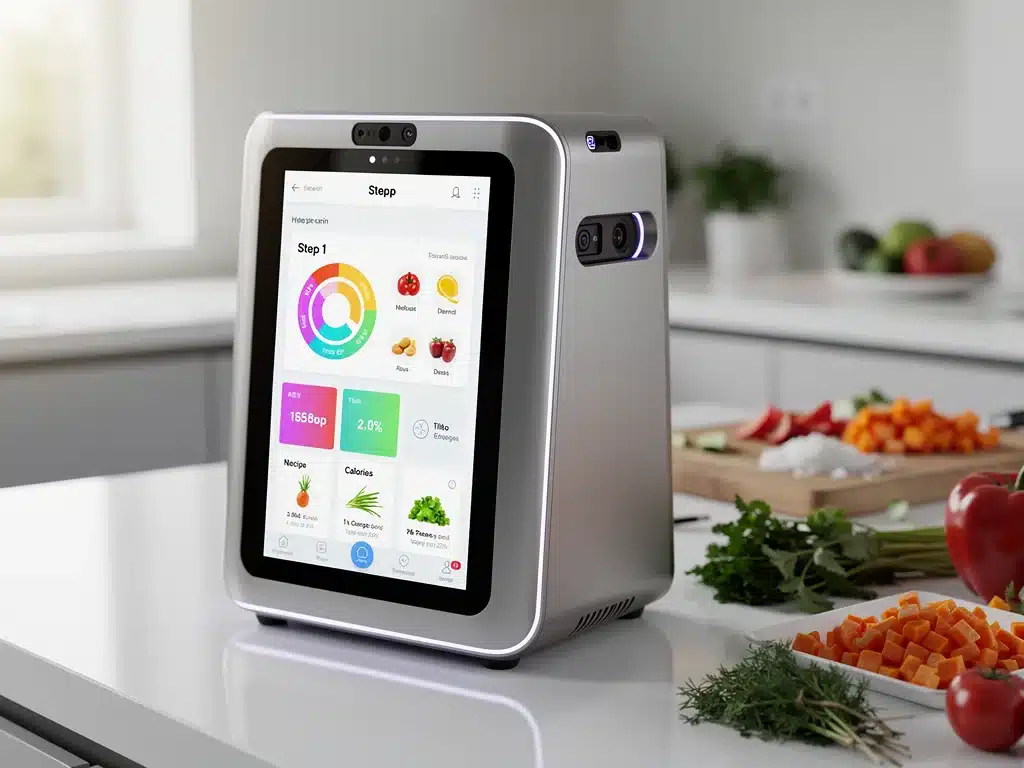
These next-generation AI assistants will leverage machine learning to predict household needs, such as ordering groceries before you run out or scheduling maintenance for appliances.
This proactive approach minimizes effort and optimizes resource management, making a truly smart home gadgets 2026 a reality.
The systems will analyze patterns in energy consumption, food inventory, and even personal health metrics to offer timely interventions and suggestions. This level of anticipatory management will significantly reduce mental load and free up time for residents.
- Predictive grocery ordering based on consumption.
- Automated appliance maintenance scheduling.
- Personalized environmental adjustments for comfort.
The data collected will be anonymized and processed locally where possible, addressing privacy concerns while still delivering highly personalized services. Users will have granular control over what information is shared and how it’s utilized.
Advanced Biometric Security Systems
Home security in 2026 will transcend traditional locks and cameras, incorporating advanced biometric authentication and AI-powered threat detection. These systems will offer unparalleled protection, recognizing residents instantly and identifying potential intruders with remarkable accuracy, enhancing smart home gadgets 2026.
Facial recognition, gait analysis, and even heartbeat patterns will be utilized to create a multi-layered security perimeter that is both robust and unobtrusive. Entry and exit will be seamless for authorized individuals, while anomalies trigger immediate alerts and responses.
These intelligent security solutions will integrate with local emergency services, providing real-time data and accelerating response times during critical incidents. The aim is to create a fortress that feels like home, offering peace of mind without compromising convenience.
Integrated Drone Surveillance
Some high-end smart home security systems will feature integrated micro-drones for perimeter surveillance and anomaly investigation.
These drones can be deployed automatically in response to sensor triggers or manually controlled via a smart device, adding another layer to smart home gadgets 2026.
Equipped with thermal imaging and high-resolution cameras, these drones offer a comprehensive view of your property, even in challenging conditions. They can identify threats that might be missed by static cameras and provide crucial evidence.
- Automated drone deployment upon perimeter breach.
- Real-time aerial views for threat assessment.
- Integration with central security platforms.
Privacy protocols will be strictly enforced, with drones programmed to only activate and record in designated areas or in response to detected threats. This ensures that enhanced security does not come at the cost of personal space.
Revolutionary Smart Kitchen Appliances
The kitchen, often considered the heart of the home, is due for a massive overhaul with smart appliances that go beyond basic connectivity. By 2026, we’ll see devices capable of autonomous meal preparation, nutritional analysis, and waste reduction, truly embodying the spirit of smart home gadgets 2026.
Imagine ovens that perfectly cook meals based on recipe specifications and ingredient weight, or refrigerators that track inventory and suggest recipes based on available produce. These appliances will communicate with each other, creating a harmonious and efficient cooking environment.
The focus will be on simplifying complex culinary tasks, reducing food waste through intelligent inventory management, and promoting healthier eating habits. This revolution aims to make gourmet cooking accessible to everyone, regardless of their skill level.
Autonomous Meal Preparation Units
Next-generation smart kitchens will feature autonomous meal preparation units that can chop, mix, and cook ingredients with minimal human intervention.
These devices will follow recipes from integrated databases or even generate personalized meal plans based on dietary needs, making smart home gadgets 2026 more appealing.
These units will handle everything from basic cooking to complex gourmet dishes, significantly cutting down on preparation and cooking time. They will also be self-cleaning, adding to the overall convenience.
- Automated ingredient handling and cooking.
- Personalized dietary meal plan generation.
- Integrated self-cleaning mechanisms.
The emphasis on precision and consistency will ensure perfectly cooked meals every time, reducing human error and enhancing the overall dining experience. These units are designed to be intuitive and user-friendly, even for those new to smart kitchen technology.
Dynamic Adaptive Lighting and Climate Control
Beyond simple scheduling, dynamic adaptive lighting and climate control systems in 2026 will use advanced sensors and AI to create environments that actively promote well-being.
These systems will respond to natural light cycles, occupancy, and even individual biometric data to optimize comfort and energy efficiency, a core component of smart home gadgets 2026.
Lighting will mimic natural daylight, adjusting color temperature and intensity throughout the day to support circadian rhythms, improving sleep quality and overall mood.
Climate control will maintain ideal temperatures and humidity levels, learning personal preferences and adapting to external weather conditions.
These systems will not only save energy but also create healthier and more productive living spaces. The intelligent adaptation means less manual adjustment and more seamless comfort, regardless of the time of day or season.
Biometric-Driven Environmental Optimization
Future smart home systems will integrate with wearable devices to monitor occupants’ biometric data, such as heart rate and skin temperature, to fine-tune environmental settings.
This ensures personalized comfort and optimal physiological conditions, making smart home gadgets 2026 highly responsive.
If a resident’s stress levels are high, the system might subtly adjust lighting to a calming hue and diffuse a soothing aroma. This proactive approach to well-being represents a significant leap in smart home functionality.
- Real-time adjustment based on occupant biometrics.
- Circadian rhythm-aligned lighting.
- Personalized thermal comfort zones.
Data privacy will be paramount, with all biometric information processed securely and locally, giving users complete control over their personal data. The goal is to enhance well-being without compromising personal information.
Integrated Health and Wellness Hubs
The smart home of 2026 will increasingly function as a personal health and wellness hub, integrating various devices and services to monitor, manage, and promote occupant health.
These hubs will track vital signs, provide personalized fitness recommendations, and even connect with healthcare providers, making smart home gadgets 2026 essential for well-being.
Smart mirrors will offer skin analysis and virtual fitness coaching, while smart beds will monitor sleep patterns and provide insights into sleep quality. Air and water purification systems will ensure optimal indoor environmental health, contributing to overall wellness.
This holistic approach to health management within the home aims to empower individuals to take a more proactive role in their well-being. The convenience of having health data and services readily available will transform preventative care.
Proactive Health Monitoring and Alerts
These hubs will continuously monitor key health metrics, such as heart rate, blood pressure, and glucose levels, through passive sensors embedded in furniture and wearables.
Anomalies will trigger alerts, notifying both the individual and designated healthcare contacts, a crucial aspect of smart home gadgets 2026.
Early detection of potential health issues can lead to timely interventions, potentially preventing more serious conditions. The systems are designed to be non-intrusive, integrating seamlessly into daily life without requiring conscious interaction.
- Continuous passive health monitoring.
- Automated alerts for health anomalies.
- Integration with telehealth services.
Strict data security and privacy protocols will be in place to protect sensitive health information, ensuring compliance with medical regulations. Users will have full control over who can access their health data.
Sustainable Smart Home Ecosystems
Beyond individual gadgets, 2026 will emphasize the development of fully integrated sustainable smart home ecosystems. These systems will optimize energy consumption, manage waste, and harness renewable resources, making smart home gadgets 2026 synonymous with eco-conscious living.
Smart energy grids will allow homes to dynamically buy and sell energy, optimizing usage based on real-time pricing and availability of renewable sources. Waste management systems will sort recyclables automatically and even compost organic waste.
The goal is to create homes that are not only convenient and comfortable but also environmentally responsible. This holistic approach ensures that technological advancement aligns with ecological sustainability, benefiting both residents and the planet.
AI-Driven Energy Optimization
AI algorithms will constantly analyze energy usage patterns, weather forecasts, and electricity prices to optimize power consumption across all smart devices.
This ensures maximum efficiency and minimal environmental impact, making smart home gadgets 2026 more sustainable.
From adjusting thermostat settings to controlling appliance cycles, every aspect of energy usage will be intelligently managed. Homes will effectively become proactive participants in the smart grid, balancing demand and supply.
- Real-time energy consumption analysis.
- Predictive energy management based on forecasts.
- Dynamic interaction with smart energy grids.
Users will receive detailed reports on their energy usage and savings, empowering them to make informed decisions about their consumption habits. This transparency fosters a greater understanding of environmental impact.
Seamless Integration and Interoperability
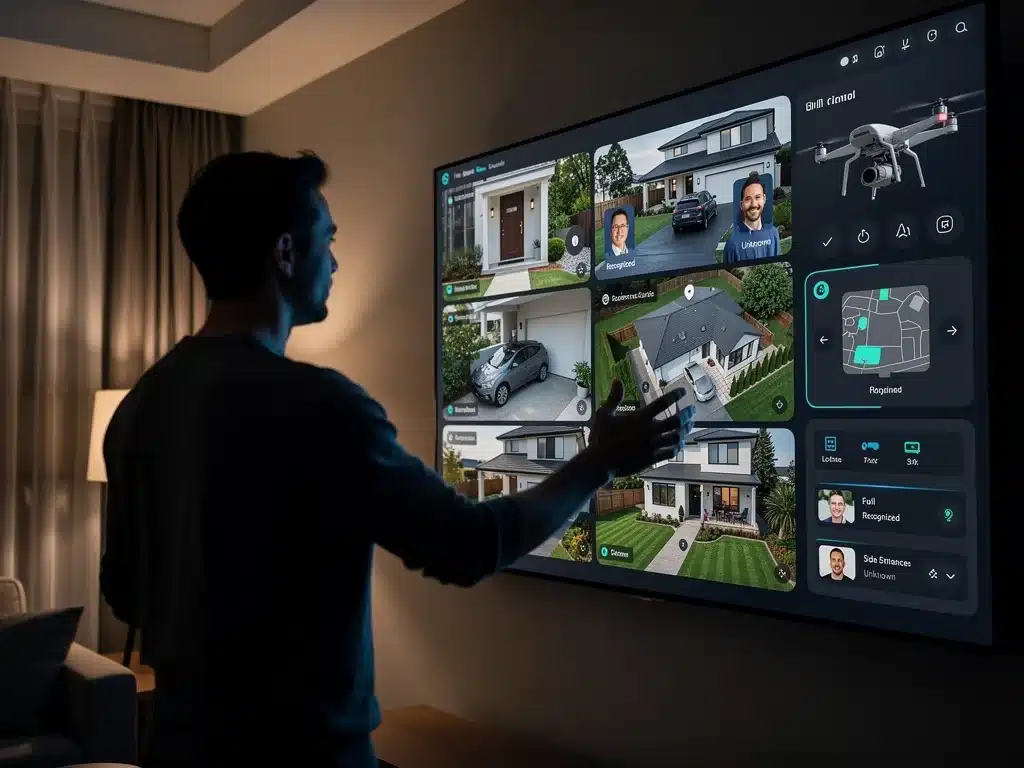
A significant challenge in the current smart home market is the fragmentation of devices and platforms. By 2026, a major focus will be on achieving true seamless integration and interoperability, ensuring that all smart home gadgets 2026 work together harmoniously, regardless of brand or ecosystem.
Universal communication protocols and open-source platforms will become standard, allowing devices from different manufacturers to interact effortlessly. This will simplify setup, reduce compatibility issues, and enhance the overall user experience.
This move towards a unified smart home ecosystem will unlock the full potential of interconnected devices, enabling more complex automations and personalized scenarios. The future promises a truly cohesive and intelligent living environment.
Unified Control Interfaces
Instead of managing multiple apps for different devices, 2026 will see the rise of unified control interfaces, often holographic or voice-controlled, that provide a single point of command for the entire smart home.
This simplifies interaction and enhances user convenience, critical for smart home gadgets 2026.
These interfaces will offer intuitive dashboards, customizable layouts, and advanced automation routines that can be triggered by voice, gesture, or even passive presence detection. The goal is to make controlling your home as natural as thinking about it.
- Centralized control for all smart devices.
- Intuitive holographic or voice-based interfaces.
- Customizable automation scenarios.
These unified interfaces will be designed with accessibility in mind, ensuring that everyone, regardless of technical proficiency, can easily manage their smart home. This inclusive approach broadens the appeal of smart home technology.
| Key Gadget | Revolutionary Impact |
|---|---|
| Hyper-Personalized AI Assistants | Anticipate needs, proactively manage tasks, and adapt to individual preferences. |
| Advanced Biometric Security | Multi-layered protection with facial recognition, gait analysis, and integrated drones. |
| Autonomous Kitchen Appliances | Self-sufficient meal preparation, nutritional analysis, and waste reduction. |
| Dynamic Adaptive Environment | Biometric-driven lighting and climate control for optimal well-being and energy. |
Frequently Asked Questions about Smart Home Gadgets in 2026
The primary benefits include unparalleled convenience, enhanced security, significant energy efficiency, and improved personal well-being. These advancements aim to simplify daily life, making homes more intuitive and responsive to individual needs and preferences. The integration of AI will drive much of this transformation.
Privacy is a critical concern, with manufacturers focusing on local data processing and robust encryption for all sensitive information. Users will have granular control over data sharing, and strict compliance with privacy regulations will be standard. Transparency about data usage will be paramount.
While initial adoption of cutting-edge smart home gadgets may come at a premium, technological advancements and increased competition typically drive prices down over time. Modular systems and subscription-based services may also make these technologies more accessible to a wider range of consumers by 2026.
Smart home gadgets are designed to significantly reduce energy consumption through AI-driven optimization of lighting, climate control, and appliance usage. Integration with smart grids will also enable homes to actively manage and conserve energy, contributing to overall sustainability efforts and lower utility bills.
The biggest challenge remains achieving seamless interoperability across different brands and ecosystems. While progress is being made with universal protocols, ensuring all smart home gadgets can communicate and work together effortlessly is crucial for widespread adoption and a truly integrated smart living experience.
Looking Ahead: The Future of Smarter Living
Advances in smart home gadgets in 2026 reflect a shift from simple convenience toward fully connected and intelligent living environments. These technologies are increasingly designed to improve security, energy efficiency, comfort, and overall well-being.
As systems become more intuitive and personalized, smart homes may transform everyday routines through proactive automation and adaptive controls. Their influence could also extend beyond individual properties to urban planning, infrastructure, and resource management.
Future progress will depend on AI adoption, smaller sensors, stronger interoperability, and consumer trust. Together, these developments may turn homes into active partners that respond continuously to the needs of their occupants.