Spot Quality in Fast Fashion: 7 Red Flags for 2026 Wardrobe
Anúncios
How to Spot Quality in Fast Fashion is gaining relevance as consumers shift toward more informed and sustainable purchasing decisions ahead of 2026 wardrobe reviews. Industry insights show growing awareness around durability, material quality, and ethical production, pushing shoppers to look beyond trends.
Key red flags identified by fashion analysts include poor stitching, thin or synthetic-heavy fabrics, inconsistent sizing, and lack of transparency in labeling. Verified guidance emphasizes checking seams, fabric composition, and overall construction as reliable indicators of garment quality and longevity.
Anúncios
Looking ahead, consumers should monitor brand transparency, sustainability claims, and evolving retail standards. Developing the ability to identify these warning signs will be essential for building a wardrobe that prioritizes value, durability, and responsible consumption in 2026 and beyond.
Understanding Fabric Composition: The First Red Flag
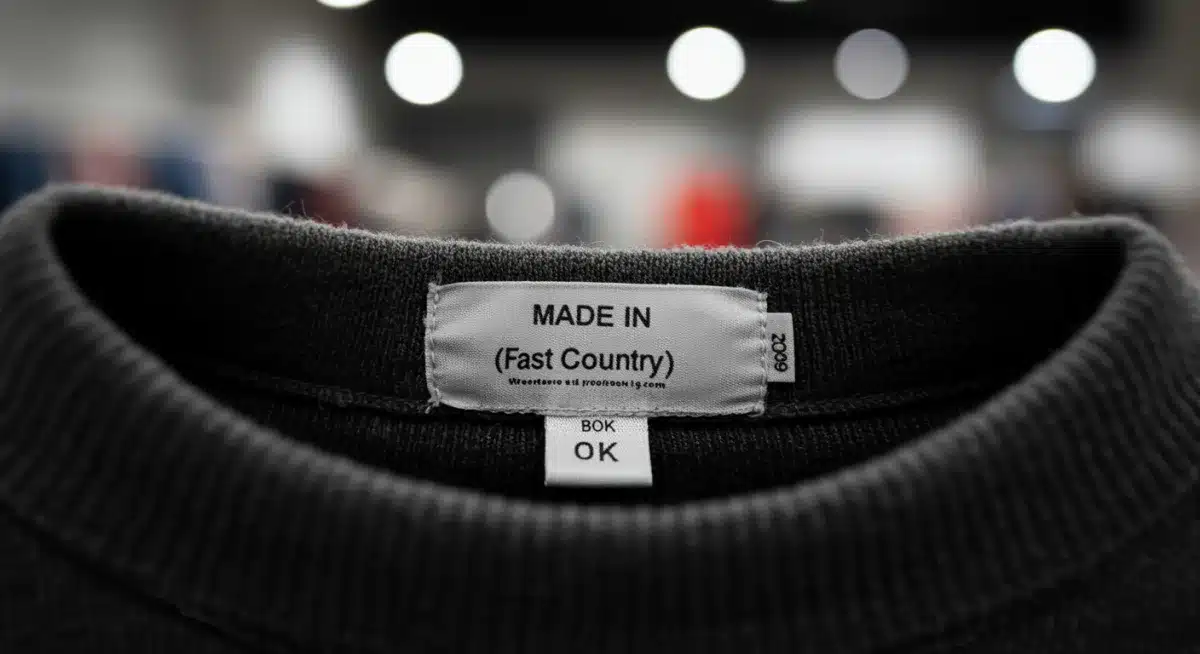
The material content of a garment is often the first and most telling indicator of its potential quality and durability. Fast fashion brands frequently utilize cheaper, synthetic blends that prioritize cost-effectiveness over longevity. Consumers should always scrutinize labels for fabric composition before making a purchase.
Synthetic fibers like polyester, acrylic, and rayon, while offering certain benefits such as wrinkle resistance, often lack the breathability and natural drape of higher-quality natural fibers. Furthermore, these materials tend to pill, stretch out of shape, and degrade more quickly with washing and wear. This makes it harder to spot quality fast fashion.
Anúncios
For instance, a garment labeled 100% polyester might feel soft initially but will likely retain odors, lack breathability, and show signs of wear much faster than a cotton or linen equivalent. Prioritizing natural fibers or high-quality blends is a key step in building a resilient wardrobe as you spot quality fast fashion.
The Pitfalls of Cheap Synthetics
When examining fabric composition, a high percentage of low-grade synthetics is a significant red flag. These materials are often chosen for their low cost and ease of production, not for their wearability or durability. They contribute significantly to textile waste and present challenges in terms of comfort and garment care.
- Polyester: Prone to pilling, poor breathability, and can feel clammy against the skin.
- Acrylic: Often used as a wool substitute, but less durable, prone to stretching, and can feel scratchy.
- Rayon/Viscose: While derived from natural cellulose, often weaker when wet and can wrinkle excessively or shrink.
Understanding these material characteristics is fundamental to how to spot quality in fast fashion. A garment’s material dictates its longevity, comfort, and environmental impact. For your 2026 wardrobe reviews, prioritize natural fibers like cotton, linen, wool, and silk, or well-engineered blends that enhance durability rather than diminish it.
Poor Stitching and Seam Integrity: A Visual Giveaway
The quality of a garment’s stitching and the integrity of its seams are direct reflections of manufacturing standards. Loose threads, uneven stitches, and gaping seams are immediate red flags that indicate a lack of attention to detail and a rushed production process. These flaws compromise the structural integrity of the clothing.
Well-constructed garments feature tight, even stitches, typically 12-14 stitches per inch, and securely finished seams that prevent fraying. In contrast, fast fashion often exhibits wider, fewer stitches per inch, which are more prone to unraveling and tearing under stress. This makes it difficult to spot quality fast fashion.
A quick inspection of the inside and outside of a garment for consistent, straight stitching can reveal much about its potential lifespan. Any sign of puckering, skipped stitches, or raw edges is a clear warning that the item will not withstand regular wear and washing. This is a crucial element when you want to spot quality fast fashion.
Inspecting Seams and Hems for Durability
Beyond the general stitching, specific attention should be paid to the seams and hems. These areas bear significant stress during wear and are often the first to fail in poorly made garments. A garment with a generous seam allowance and double-stitched seams will generally be more durable.
- Seam Allowance: Look for ample fabric folded over and stitched, rather than a narrow, barely-there seam.
- Finished Hems: Hems should be even, lie flat, and be securely sewn without visible loose threads.
- Stress Points: Check areas like armholes, crotches, and pockets for reinforced stitching or bar-tacks.
These detailed inspections are indispensable for how to spot quality in fast fashion. A garment with flimsy seams or unfinished edges is destined for a short life in your wardrobe. For your 2026 wardrobe reviews, prioritize items where seams are robust and neatly finished, indicating a commitment to lasting construction.
Flimsy Hardware and Attachments: Weak Links
Buttons, zippers, snaps, and other hardware components are integral to a garment’s functionality and overall durability. In fast fashion, these elements are frequently of inferior quality, designed to cut costs rather than to endure repeated use. This often leads to premature failure and renders the garment unwearable.
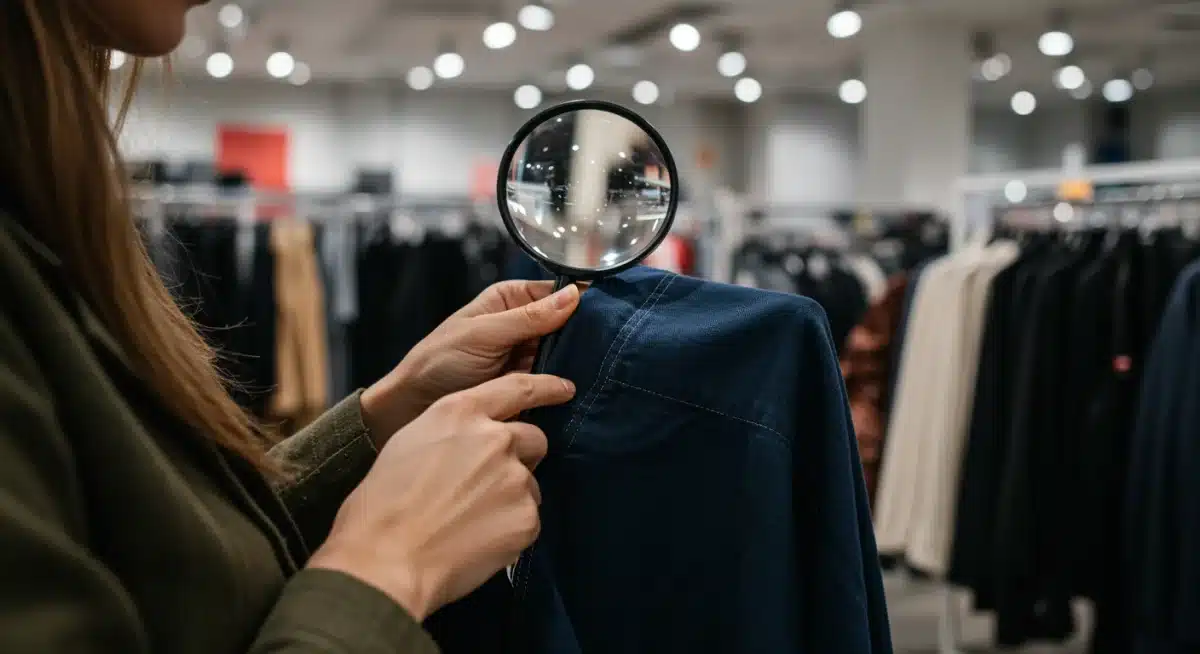
Cheap plastic zippers that snag, buttons sewn on with a single, loose thread, or flimsy metal snaps are all common red flags. These components fail quickly, creating frustration and contributing to the disposable nature of fast fashion. To spot quality fast fashion, always test these elements.
A garment is only as strong as its weakest link, and often, that link is the hardware. High-quality clothing will feature sturdy, smoothly operating zippers, securely attached buttons, and robust snaps designed to last the lifetime of the garment. This is a critical factor when trying to spot quality fast fashion.
Assessing Zippers, Buttons, and Snaps
When evaluating hardware, a hands-on approach is best. Test zippers by opening and closing them a few times to ensure smooth operation without snagging. Examine buttons for secure attachment and ensure they are made from durable materials, not brittle plastic.
- Zippers: Opt for metal zippers (YKK is a good indicator) over plastic, and ensure they glide smoothly.
- Buttons: Should be securely sewn with multiple threads, ideally with a shank for natural materials like shell or horn.
- Snaps: Must close firmly and feel substantial, not flimsy or easily bent.
These small details significantly impact the overall lifespan and functionality of a garment, making them crucial in how to spot quality in fast fashion. Overlooking them can lead to garments that quickly become unwearable. For your 2026 wardrobe reviews, prioritize clothing with reliable hardware, as it directly contributes to an item’s longevity and utility.
Thin or Transparent Fabric: Lack of Substance
Another common red flag when trying to spot quality fast fashion is the use of excessively thin or transparent fabric where it shouldn’t be. This is a clear cost-cutting measure that compromises both the garment’s appearance and its durability. A fabric that feels insubstantial often indicates a low thread count or poor fiber quality.
Holding a garment up to the light can quickly reveal if the fabric is too sheer or loosely woven. While some fabrics are naturally lightweight, a general rule is that clothing designed for opacity and structure should not be easily see-through. This is a significant indicator of lower quality and shorter lifespan.
Such fabrics are more prone to tearing, stretching out of shape, and showing wear quickly, especially in areas of high friction. They offer little in terms of insulation or structure, making the garment less versatile and often less comfortable. It’s challenging to spot quality fast fashion when these issues are present.
Evaluating Fabric Density and Weave
The density of the fabric weave is a key factor in its durability and appearance. A tightly woven fabric will generally be more resilient, opaque, and hold its shape better than a loosely woven one. This is particularly true for items like t-shirts, blouses, and trousers, where a certain level of substance is expected.
- Stretch Test: Gently pull the fabric; if it stretches out of shape easily and doesn’t recover, it’s likely low quality.
- Light Test: Hold the fabric up to the light; excessive transparency indicates thinness.
- Feel Test: A substantial, dense feel often correlates with better durability and a higher thread count.
Paying attention to fabric density and weave is essential for how to spot quality in fast fashion. Garments made from overly thin materials will not stand the test of time or repeated washing. For your 2026 wardrobe reviews, prioritize fabrics that feel substantial and offer appropriate opacity, ensuring longevity and a polished appearance.
Misaligned Patterns and Prints: A Sign of Haste
The misalignment of patterns and prints, particularly at seams and closures, is a subtle yet significant red flag indicating rushed production and a lack of craftsmanship. While minor discrepancies might be acceptable in some casual wear, noticeable mismatches in prominent areas signal a disregard for detail and quality control. This makes it hard to spot quality fast fashion.
In higher-quality garments, designers and manufacturers take care to ensure patterns align at key points, creating a cohesive and aesthetically pleasing look. Fast fashion, driven by speed and cost reduction, often skips this meticulous step, resulting in a disjointed appearance. This is a clear sign that the garment was made quickly and cheaply.
For instance, stripes or plaids that don’t match up at side seams, pockets, or collars are glaring indicators of poor manufacturing. This not only detracts from the garment’s visual appeal but also suggests a general lack of precision in the entire construction process. It’s a critical detail when you aim to spot quality fast fashion.
The Impact of Pattern Mismatch on Garment Value
A misaligned pattern not only affects the aesthetic but can also imply underlying structural issues. The fact that manufacturers don’t take the time to align patterns often correlates with other shortcuts in construction, such as poor stitching or flimsy materials. This further compromises the item’s overall value and longevity.
- Visual Cohesion: Properly aligned patterns contribute to a more polished and expensive appearance.
- Attention to Detail: Indicates a manufacturer’s commitment to craftsmanship beyond basic assembly.
- Durability Correlation: Often, a lack of care in pattern matching suggests a similar lack of care in structural integrity.
Recognizing pattern misalignment is a key aspect of how to spot quality in fast fashion. It speaks volumes about the brand’s manufacturing priorities. For your 2026 wardrobe reviews, favor garments where patterns flow seamlessly across seams, as this indicates a higher standard of production and a more durable item.
Unfinished or Exposed Seams: Compromised Durability
Unfinished or exposed raw seams on the inside of a garment are strong indicators of poor quality and a lack of attention to detail in manufacturing. While some casual garments might feature intentionally raw edges as a design choice, typically, internal seams should be neat, finished, and enclosed to prevent fraying and enhance durability. This is critical for how to spot quality fast fashion.
Raw edges on fabrics allow threads to unravel over time, especially with washing and wear, leading to the garment literally falling apart. Common finishing techniques include serging (overlocked seams), French seams, or bound seams, all of which protect the fabric edges and extend the garment’s life. The absence of these is a major red flag.
A quick flip of a garment inside out can reveal these crucial details. If you see loose threads or a jagged, unprotected fabric edge, it’s a clear sign that the item is not built to last. This compromises the garment’s structural integrity and is a tell-tale sign of fast fashion production. It’s essential to spot quality fast fashion by checking these internal details.
The Importance of Seam Finishes
The way internal seams are finished directly impacts a garment’s longevity and comfort. Well-finished seams prevent irritation against the skin and ensure the fabric holds together through countless wears and washes. Neglecting seam finishes is a direct cost-cutting measure that significantly reduces an item’s lifespan.
- Serged Seams: Common and effective, where fabric edges are trimmed and encased in thread.
- French Seams: A more elegant finish, completely enclosing raw edges for a very clean look.
- Bound Seams: Fabric edges are wrapped in a separate strip of fabric, often seen in unlined jackets.
Understanding seam finishes is paramount in how to spot quality in fast fashion. Garments with properly finished seams are a testament to superior craftsmanship and a commitment to durability. For your 2026 wardrobe reviews, prioritize items with clean, protected internal seams to ensure your clothing lasts longer and maintains its integrity.
Lack of Lining or Substantial Interlining: Structural Weakness
The absence of a proper lining or substantial interlining in garments where it would typically be expected is a significant red flag that affects both comfort and durability. Linings provide structure, prevent transparency, reduce friction, and allow garments to drape better. Their omission often points to extreme cost-cutting measures. This makes it difficult to spot quality fast fashion.
For items like blazers, coats, dresses, or even some skirts and trousers, a lining enhances the garment’s lifespan by protecting the internal construction and reducing wear on the main fabric. Without it, the garment can feel flimsy, cling uncomfortably, and show signs of wear much faster. This is a key factor when you aim to spot quality fast fashion.
Interlining, often unseen, adds body, shape, and stability to specific areas like collars, cuffs, and waistbands. Its absence results in floppy collars, shapeless cuffs, and waistbands that quickly lose their form. These elements are crucial for a garment’s longevity and refined appearance. It’s a clear indicator of a product not built to last.
Impact of Linings and Interlinings on Garment Life
The inclusion of appropriate linings and interlinings is a hallmark of quality construction. They contribute significantly to a garment’s comfort, longevity, and overall aesthetic. Their absence makes a garment feel cheaper and wear out faster, diminishing its value.
- Lining Benefits: Adds comfort, prevents transparency, protects main fabric, and allows for better drape.
- Interlining Benefits: Provides structure, shape retention, and durability to collars, cuffs, and waistbands.
- Durability: Reduces stress on the outer fabric, extending the garment’s life by preventing stretching and tearing.
Assessing the presence and quality of linings and interlinings is vital for how to spot quality in fast fashion. Garments lacking these essential components are often destined for a short life in your wardrobe, making them poor investments. For your 2026 wardrobe reviews, prioritize items that include these hidden structural elements for enhanced durability and wearability.
Inconsistent Sizing and Fit: A Common Frustration
Inconsistent sizing and a generally poor fit across different items or even within the same size range are frustrating yet common red flags in fast fashion. This issue stems from a lack of rigorous quality control, poor pattern making, and a rush to production, leading to garments that simply don’t conform to standard body measurements. This makes it tricky to spot quality fast fashion.
Consumers often encounter situations where a size ‘medium’ from one fast fashion brand fits perfectly, while a ‘medium’ from another, or even the same brand’s different collection, is either too large or too small. This inconsistency makes online shopping particularly challenging and leads to frequent returns. It’s a clear indicator of a brand prioritizing speed over precision.
A well-made garment, regardless of its price point, should exhibit consistent sizing and thoughtful pattern design that allows for comfortable movement and a flattering silhouette. When you can’t rely on a brand’s sizing, it’s a strong signal that their quality control is lacking. This is a key aspect when you want to spot quality fast fashion.
The Consequences of Poor Fit and Sizing
Beyond the immediate frustration, inconsistent sizing leads to garments that are rarely worn, contributing to wardrobe clutter and textile waste. A poorly fitting item, even if made from decent materials, will not look good or feel comfortable, ultimately undermining its value. This impacts how you spot quality fast fashion.
- Trial and Error: Requires extensive trying on or frequent returns, wasting time and resources.
- Limited Wear: Ill-fitting clothes are often relegated to the back of the closet, rarely seeing the light of day.
- Brand Trust: Erodes confidence in the brand’s ability to deliver reliable products.
Paying close attention to sizing consistency and overall fit is crucial for how to spot quality in fast fashion. A garment that fits well is more likely to be worn and cherished for longer, regardless of its initial cost. For your 2026 wardrobe reviews, prioritize brands that offer reliable sizing and well-constructed patterns, ensuring your clothing investments are both comfortable and stylish.
| Red Flag | Why It Matters |
|---|---|
| Cheap Synthetics | Prone to pilling, poor breathability, and quick degradation. |
| Poor Stitching | Loose threads and uneven seams compromise structural integrity. |
| Flimsy Hardware | Zippers, buttons, and snaps fail quickly, rendering garments unwearable. |
| Thin Fabric | Lacks durability, prone to tearing, and often transparent. |
Frequently Asked Questions About Fast Fashion Quality
To spot quality fast fashion, focus on fabric composition, checking for natural fibers or durable blends. Inspect stitching for tightness and evenness, and test all hardware. Also, examine fabric density and ensure patterns align at seams. These steps help identify well-made items.
Generally, natural fibers like cotton, linen, and wool offer better breathability and durability than cheap synthetics. However, some high-quality technical synthetics or blends can be durable and functional. The key is to assess the quality of the specific material and its intended use, rather than just the fiber type.
When you spot quality fast fashion, look for consistent, small stitches, typically 12-14 per inch. Seams should be straight, lie flat, and be securely finished on the inside to prevent fraying. Reinforced stitching at stress points like pockets and armholes is also a good indicator of quality construction.
Fast fashion’s rapid production cycles and focus on low cost often lead to compromises in material quality and construction. This results in garments that degrade quickly, pill, stretch, or fall apart after minimal wear and washing, contributing to a culture of disposability and making it hard to spot quality fast fashion.
Consistent sizing reflects a brand’s commitment to precision in pattern making and quality control. Inconsistent sizing indicates rushed production and poor standards, leading to ill-fitting garments that are less likely to be worn. Reliable sizing enhances customer satisfaction and reduces waste, helping you spot quality fast fashion.
Perspectives for Your 2026 Wardrobe Reviews
The insights provided on how to spot quality in fast fashion are not merely tips; they are essential tools for navigating an evolving retail landscape. As consumer awareness grows, the demand for durable, well-made clothing will continue to influence purchasing decisions. These red flags offer a clear framework for evaluating garments, moving beyond fleeting trends to focus on lasting value.
Looking ahead to your 2026 wardrobe reviews, applying these criteria will empower you to curate a collection that is both stylish and sustainable. The shift towards conscious consumption means understanding the hidden indicators of quality is more important than ever. By prioritizing thoughtful selection, consumers can reduce waste and invest in pieces that truly stand the test of time, making it easier to spot quality fast fashion.
This ongoing development in consumer education highlights a broader trend: a move away from disposable fashion towards a more considered approach to personal style. The ability to spot quality fast fashion is a skill that will serve you well, ensuring your wardrobe reflects not just current trends, but also a commitment to durability and intelligent consumption.